Swipe Left on Surveillance: How Dating Apps Exploit Your Heart (and What to Do About It)
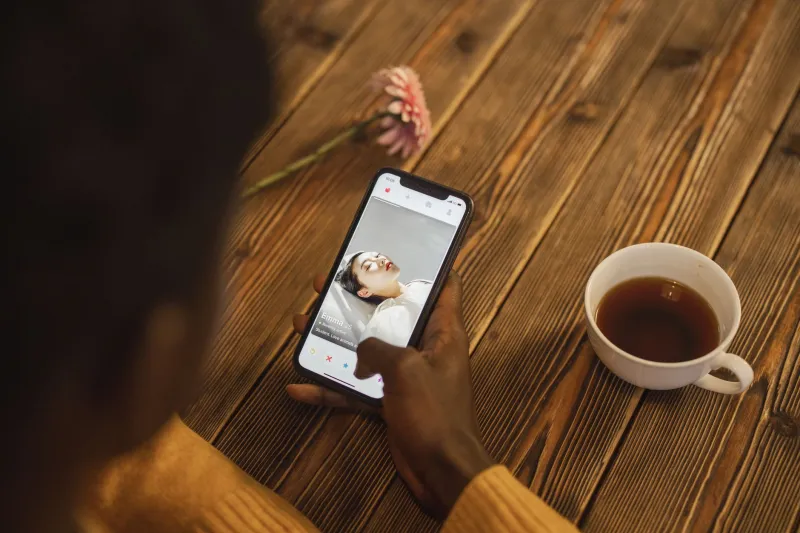
Let's be real for a second. You downloaded Tinder, Hinge, or Bumble because you wanted to meet someone. Maybe fall in love. At the very least, have a decent date that doesn't end with you rage-scrolling through Instagram alone at 11 PM. But here's the uncomfortable truth nobody puts in the onboarding flow: these apps don't actually want you to find love. They want you to keep looking for it — forever, on their platform, generating ad revenue and subscription fees with every desperate swipe.
That's not cynicism. That's the business model.
The Engagement Trap Dressed Up as Romance
Mainstream dating apps are, at their core, engagement maximization machines. The same behavioral psychology that keeps you doom-scrolling TikTok is baked into your match queue. Variable reward schedules — the same mechanism that makes slot machines addictive — are hardwired into the experience. Sometimes you get a match. Sometimes you don't. That unpredictability is by design.
Hinge literally branded itself as "the app designed to be deleted," which is either the most honest marketing in Silicon Valley history or the most cynical. Spoiler: the company was acquired by Match Group, which also owns Tinder, OkCupid, and a dozen other platforms. Match Group's entire business depends on people not deleting the app. Their quarterly earnings calls don't celebrate love stories — they celebrate monthly active users and subscription conversion rates.
Meanwhile, your behavioral data is being harvested at a scale most people don't fully grasp. Who you swipe right on, how long you linger on a profile, what time of night you're most active, which photos you zoom into — all of it feeds a profile that gets more detailed the longer you stay on the platform. That data shapes which profiles get shown to you, engineered not necessarily to find your best match, but to keep you emotionally engaged just enough to stay subscribed.
What Your Dating App Actually Knows About You
In 2023, Mozilla's Privacy Not Included project reviewed major dating apps and the results were genuinely unsettling. Most apps collect far more data than they need for matching purposes. Location data, device identifiers, browsing behavior, and even inferred health and psychological information can end up in the mix. Grindr, notably, faced a $7 million fine in Norway for illegally sharing user data with advertisers — data that included HIV status information users had voluntarily disclosed.
This isn't just a privacy problem in the abstract. For LGBTQ+ users in less accepting parts of the country, for people navigating sensitive health situations, or for anyone who simply values keeping their romantic life private, the data practices of mainstream dating platforms carry real-world consequences.
And when these platforms get breached — which they do — that intimate data doesn't just disappear.
Decentralized Dating: Promising Experiment or Pipe Dream?
So what's the alternative? A handful of developers have started asking whether the federated, user-owned model that powers platforms like Mastodon could work for dating. The concept is genuinely compelling: instead of your profile and preferences living on a corporation's server, you own your data. Match criteria are transparent. No black-box algorithm decides who you see.
Projects like Alovoa — an open-source dating platform — let users self-host or join community-run instances. Your profile doesn't get sold to advertisers. There's no engagement-maximizing feed. The matching logic is visible. It's a dramatically different experience from the polished, psychologically-tuned interfaces of the big apps.
The honest caveat? User bases are small right now. Dating apps are a network effects game — they're only as useful as the number of people on them. If you're in a major metro area, you might find a modest but genuine community on a decentralized platform. If you're in a smaller city or have very specific preferences, the pool gets thin fast.
But that framing might be missing the point. Decentralized dating apps aren't trying to replace Tinder's 75 million users overnight. They're building an infrastructure where the incentive structure is fundamentally different — one where the platform succeeds when you find a match, not when you stay perpetually single and subscribed.
Practical Steps for Taking Back Your Romantic Privacy
You don't have to go full decentralized overnight to start protecting yourself. Here's a realistic approach:
Audit your current apps. Go into your settings and review what data you've shared. Revoke location permissions when you're not actively using the app. Most dating apps don't need your precise GPS coordinates 24/7.
Use a dedicated email address. Don't link your dating profiles to your primary email or social accounts. Keep your romantic digital life siloed from your professional and personal identity online.
Understand the subscription trap. If you find yourself paying for premium features that seem to artificially boost your visibility — features that essentially let you pay to be seen normally — recognize that for what it is. The app made itself worse for free users to sell you a fix.
Experiment with open alternatives. Check out Alovoa or keep an eye on emerging federated dating projects. Even if you don't fully switch, understanding how these platforms work will change how you think about the mainstream ones.
Have the conversation. The weirdest thing about dating app data practices is how rarely they come up on actual dates. If you meet someone through one of these platforms, talking about digital privacy isn't awkward — it's increasingly just a normal part of how thoughtful people navigate modern life.
The Bigger Picture
Your love life is one of the most intimate parts of your existence. The idea that it should be mediated by an algorithm optimized for shareholder returns — one that profits more from your loneliness than your happiness — should feel as wrong as it sounds.
Decentralized dating isn't a perfect solution yet. But it's asking the right questions. Who controls your profile? Who can see your data? Whose interests does the matching system actually serve?
In a world where Big Tech has colonized nearly every corner of human experience, romance might be the last frontier worth fighting for. Own your identity. Control your network. Maybe even find someone worth sharing it with.